
It is a beautiful fall Saturday and it is an ideal time to explore the old, well kept, neighborhoods of Charles Town. There is plenty to see. Over 30 homes of historical significance are listed in the walking tour booklet available at the Charles Town Visitors Center.
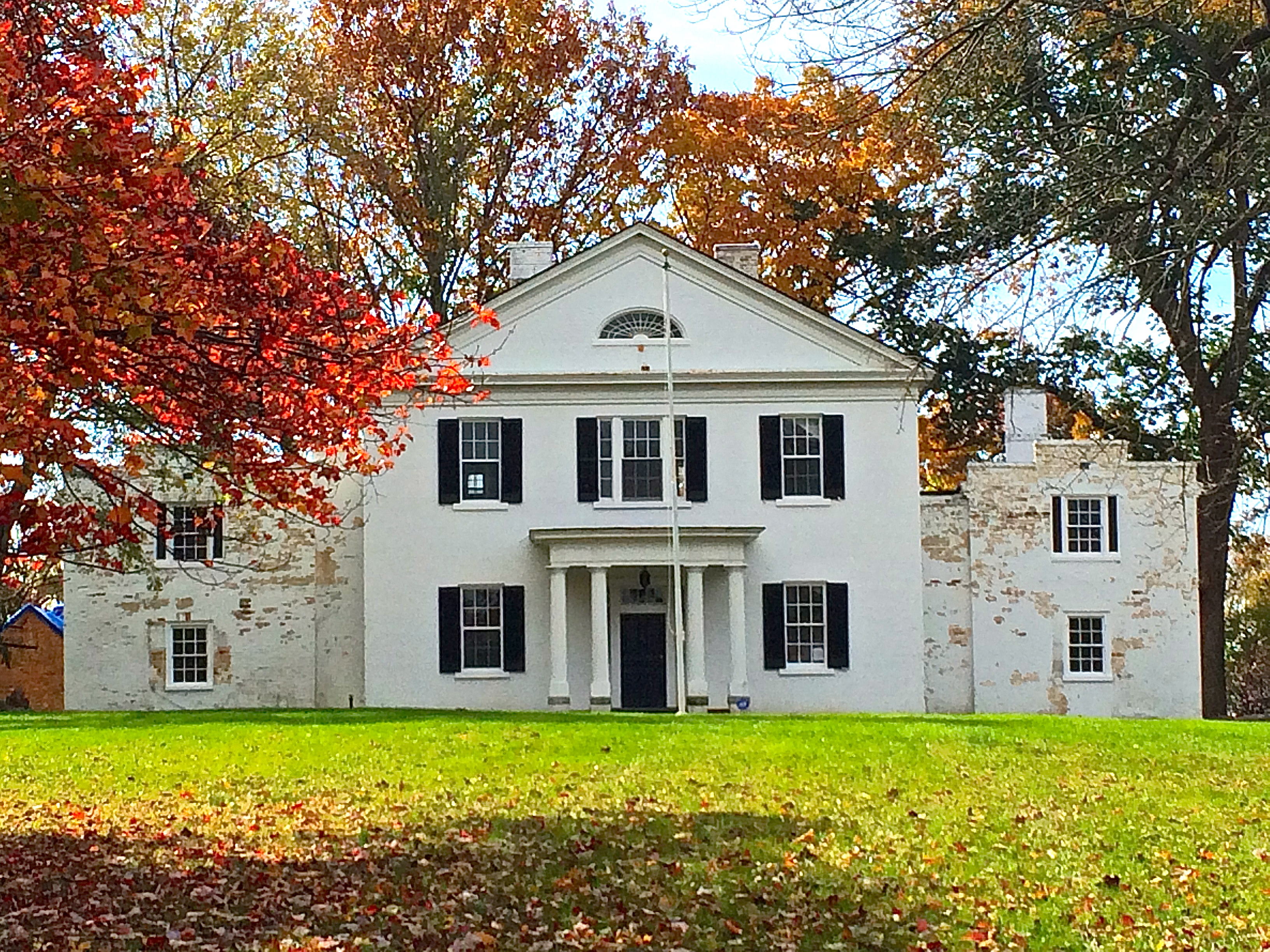
“Happy Retreat” – built and named by Charles Washington – was the family home of Charles and Mildred. It is also where they received George Washington during his many visits. After Charles death in 1799 his son sold the property. In 1873 the property was purchased by Judge Isaac Douglass and re-named “Mordington” after his ancestral home in Scotland.
Friends of “Happy Retreat,” a local organization, is currently working to purchase and develop the property for public use.
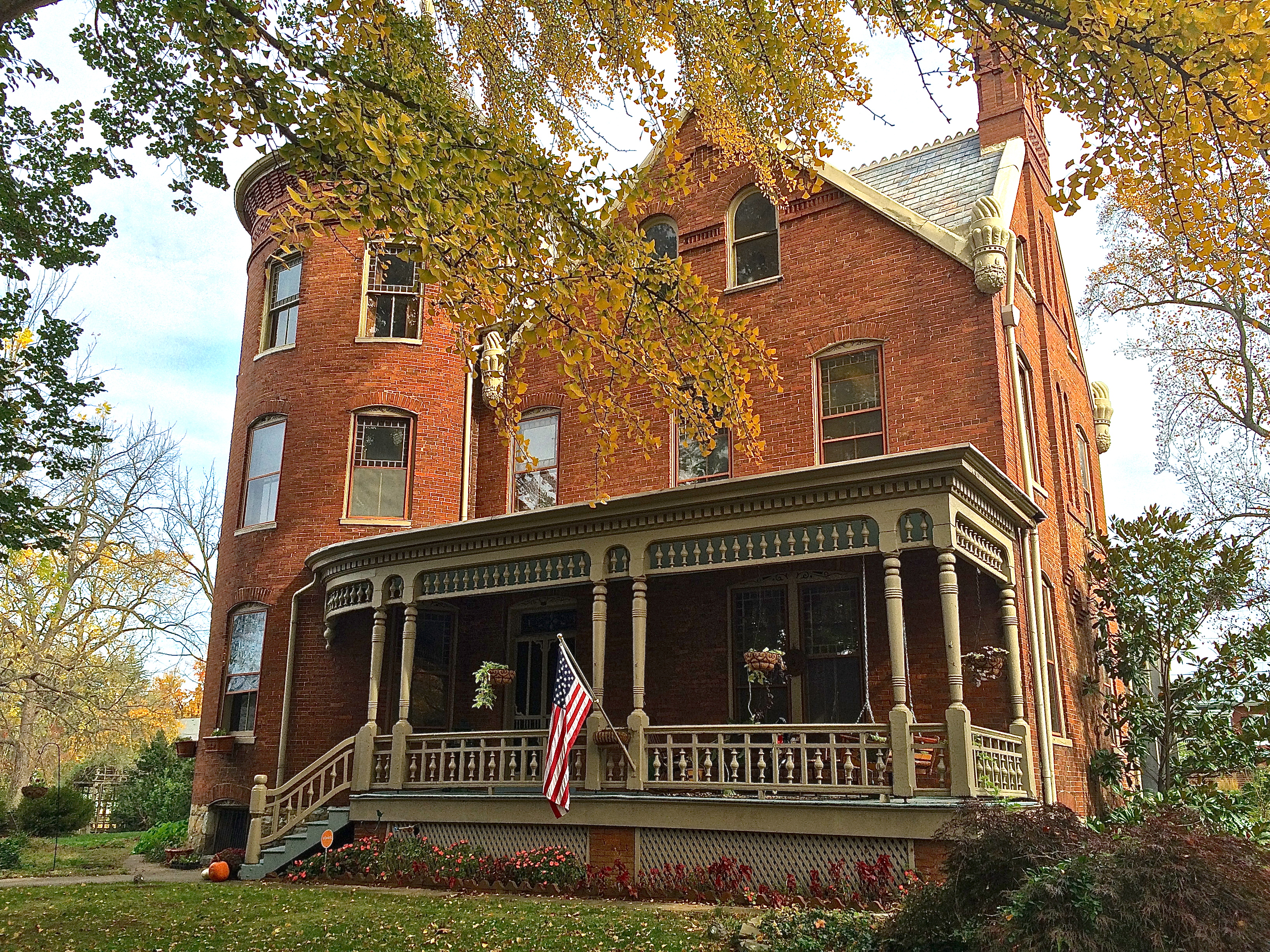
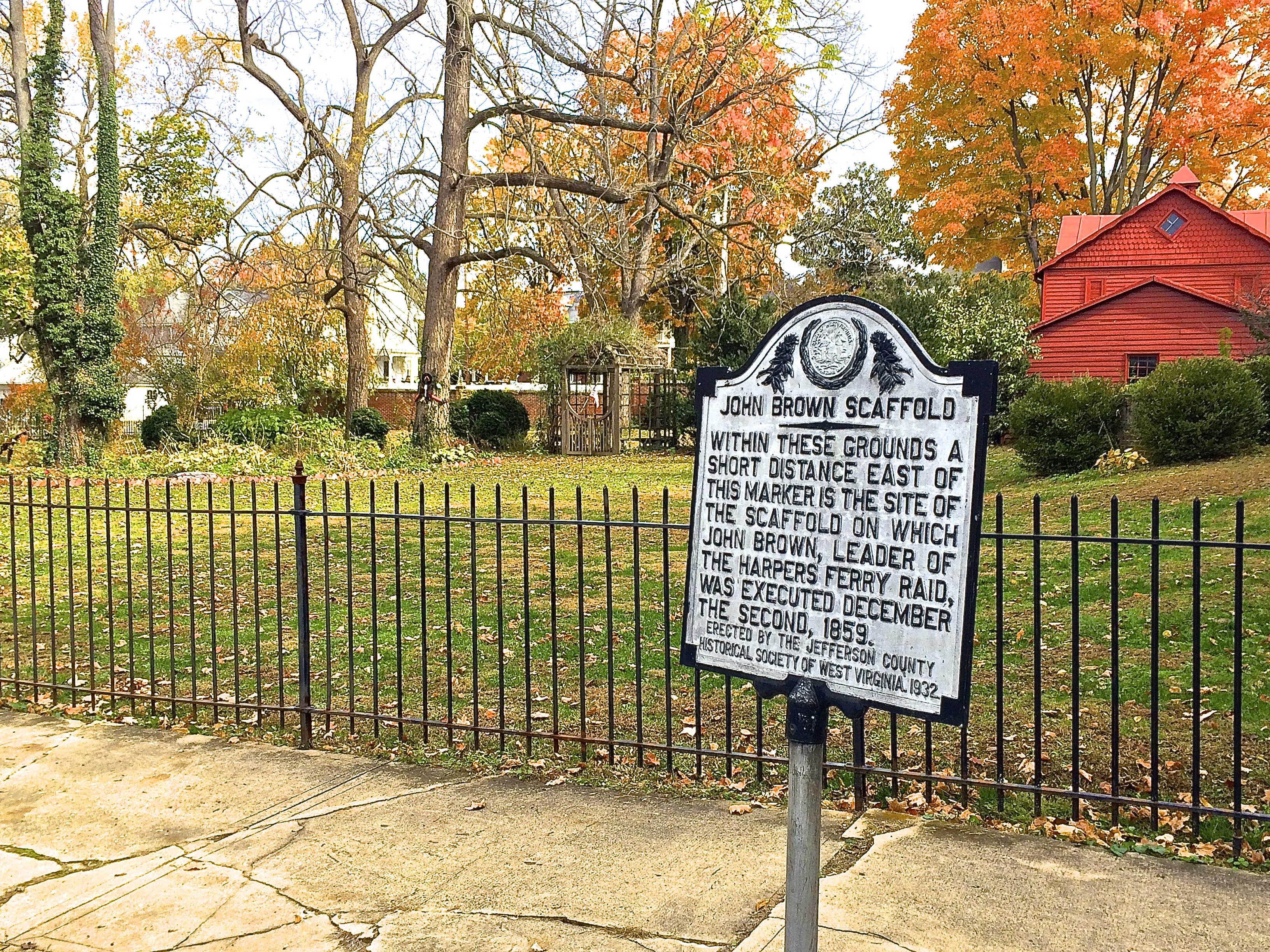
The Gibson-Todd House fronts South Samuel Street while the adjacent large side-yard has frontage on both Samuel and Hunter. It was on that space (a desolate vacant field in 1859) that a scaffold was erected and John Brown was hung. The house was built 33 years later in 1892.
On December 2, 1859 three men, whose names would be burned into our memory by history teachers recounting our Civil War, found themselves standing very quietly in the same vacant field 5 blocks from the courthouse in Charles Town, Virginia. They would all die a violent death. One before the war began; one during the war and one after the war ended. Though their bodies are long decayed their names and the accounts of their actions will come alive in the minds of countless future generations.
John Brown, the one to be executed that day was, of course, the one to die before the war began. His actions, more than anything else, emotionally polarized and blinded the future combatants so that they could see no way to mediate the fear and righteous indignation except by war.
Because the execution of John Brown was so emotionally charged, on both sides of the slavery issue, the Governor of Virginia closed the execution to all civilians and asked that members of the Cadet Corp at Virginia Military Academy come to assist the Federal Troops in maintaining security around the execution. An officer named Jackson (soon to be nick-named “Stonewall Jackson”) was chosen to bring a group of cadets and artillery pieces to the execution. Robert E. Lee would refer to Jackson as the best General under his command. Stonewall Jackson was accidently shot by one of his own soldiers and died from his wounds during the war.
Our third player in this little coincidental event in history was filled with hatred for John Brown and what he tried to do. By the use of money and calling in favors from friends, our last player secured a uniform and rifle so that he could stand with the Federal Military who were there to provide security. Hearing of John Brown’s execution was not enough. He had to be there to witness it. His name was John Wilkes Booth. He came to a violent end after the war and after he assassinated President Lincoln.
More to come on things to see and do in West Virginia.
 Primetime Journey
Great intro to Charles Town, Joe ! Love those historic homes with such ‘character’ !
Keep up your very interesting commentaries . . . .
Best,
John G.
aboard M/Y Woodwind
LikeLike