
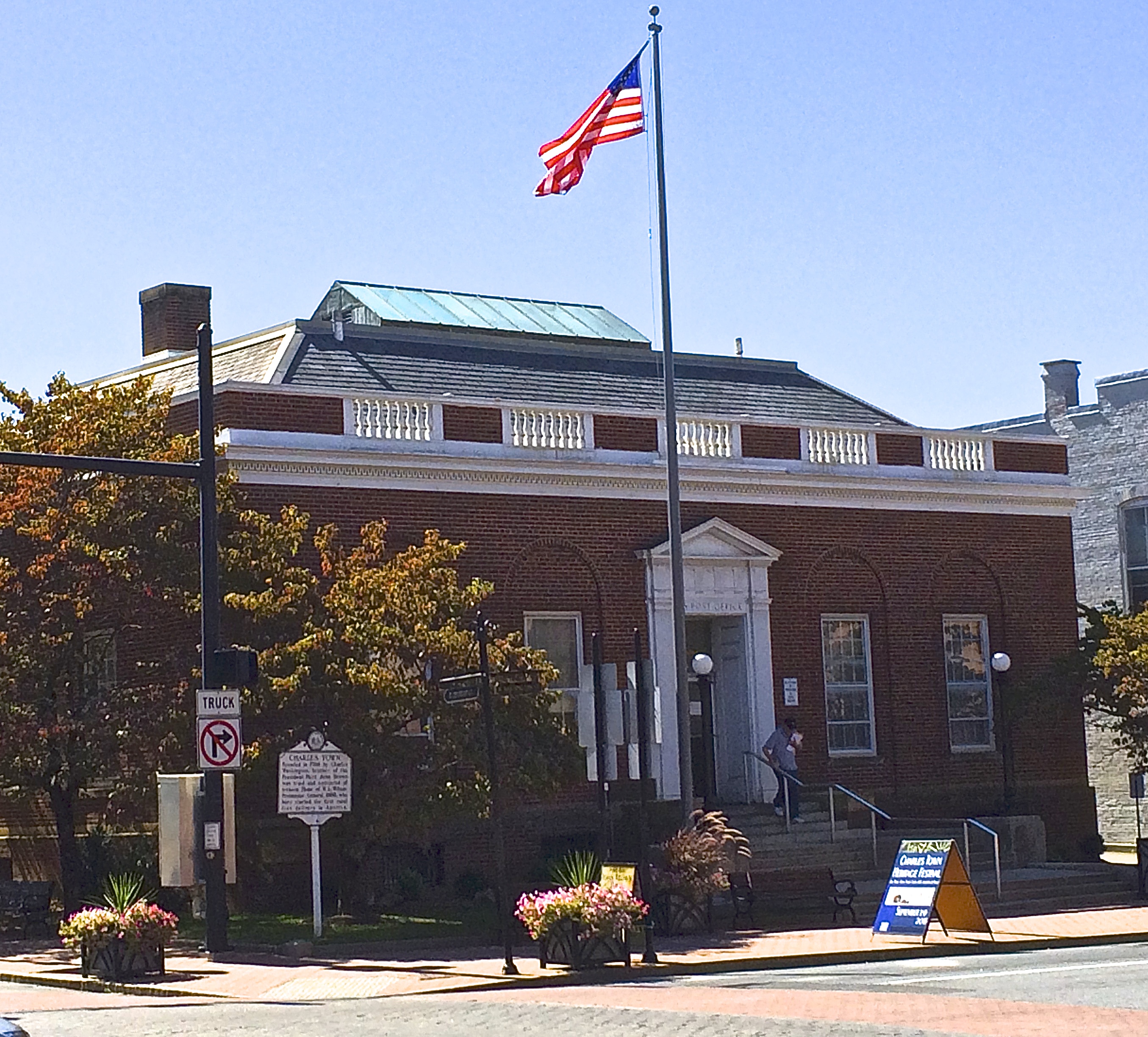
So why is it that when I am standing in the very center of Charles Town West Virginia, I find myself at the corner of George Street and Washington Street that were named by Charles Washington 3 years before his brother became our first President? How did that happen? These questions help lead us to discover the wealth of 18th Century Colonial history that is imbedded in the fiber of this town, this county and this community.
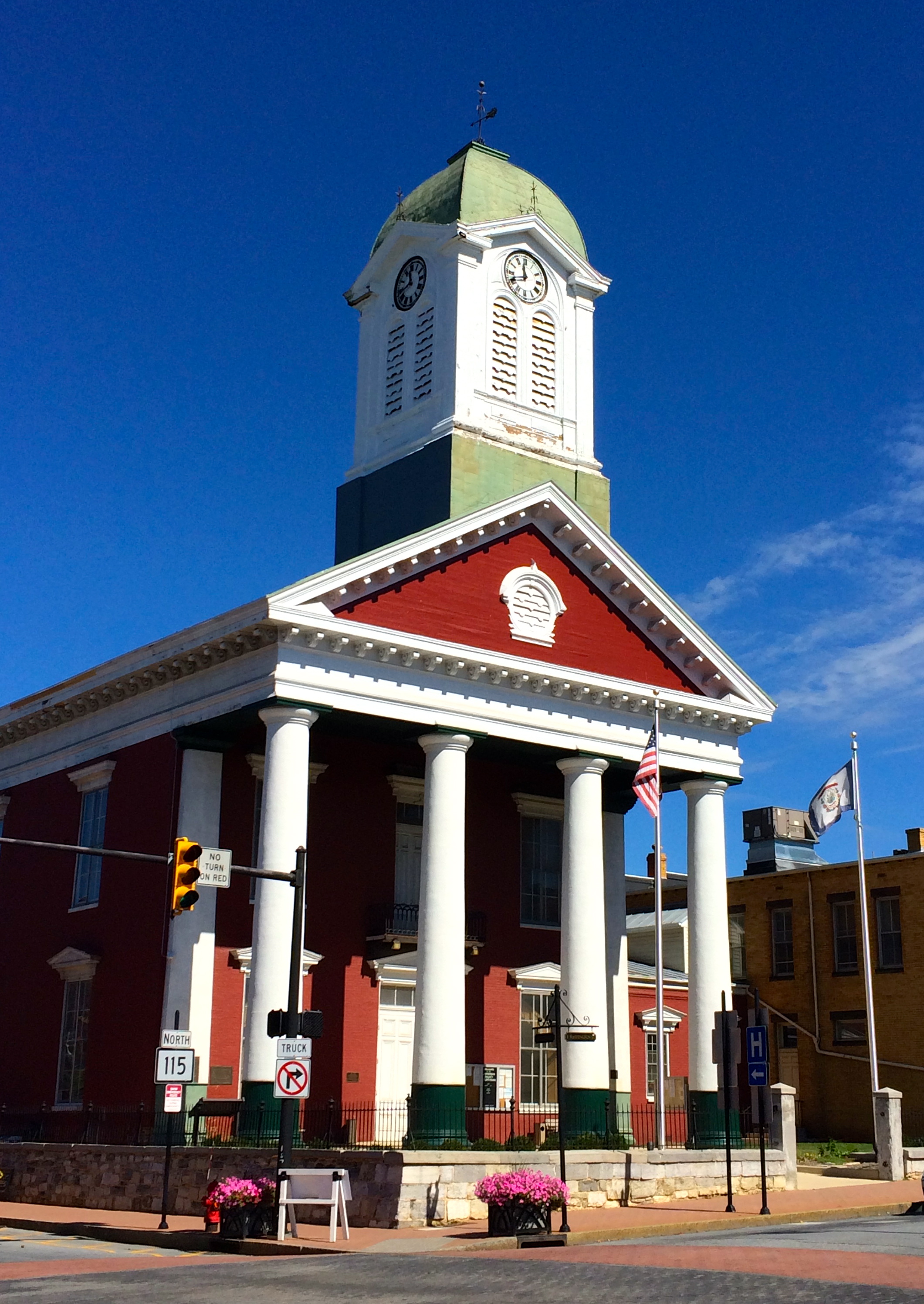
It is difficult to be here and not try to imagine what it must have been like in the 18th century when our country was being formed. As “corny” as it may sound, it is a thrill for me to stand on ground that was surveyed by the “Father of Our Country” and bought by him when he was 18 years old and to wander casually through a town that was incorporated before George Washington was elected President.
EARLY HISTORY
In 1719 Lord Fairfax (more specifically the “6th Lord Fairfax”) came into possession of over 5,250,000 acres of land between the Rappahannock and Potomac Rivers that included a large portion of the Shenandoah and South Branch Potomac river valleys. In 1748 he met and was impressed with a 16 year old George Washington who was actually a distant relative via the Yorkshire, England Fairfax family. George was given the job (his first) of surveying the Lord Fairfax land west of the Blue Ridge Mountains.
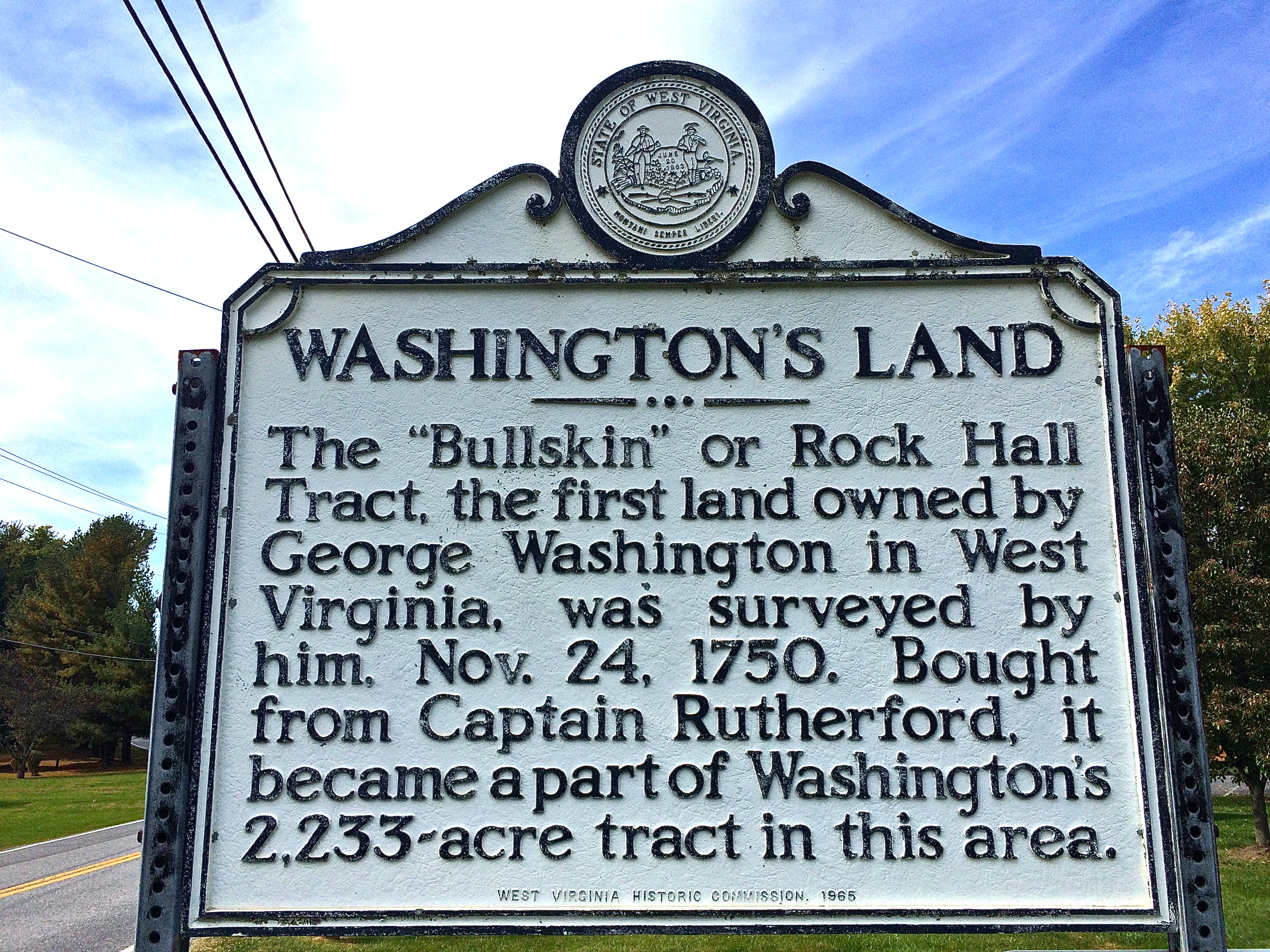
Two years later George bought 550 acres just southwest of present day Charles Town. He later enlarged his holdings to over 2000 acres. At George’s suggestion, his older brother (Lawrence, who owned the Mt. Vernon Estate) bought the land where Charles Town now sits. Upon the death of Lawrence, Charles, the youngest brother, inherited that land and George inherited Mt. Vernon.
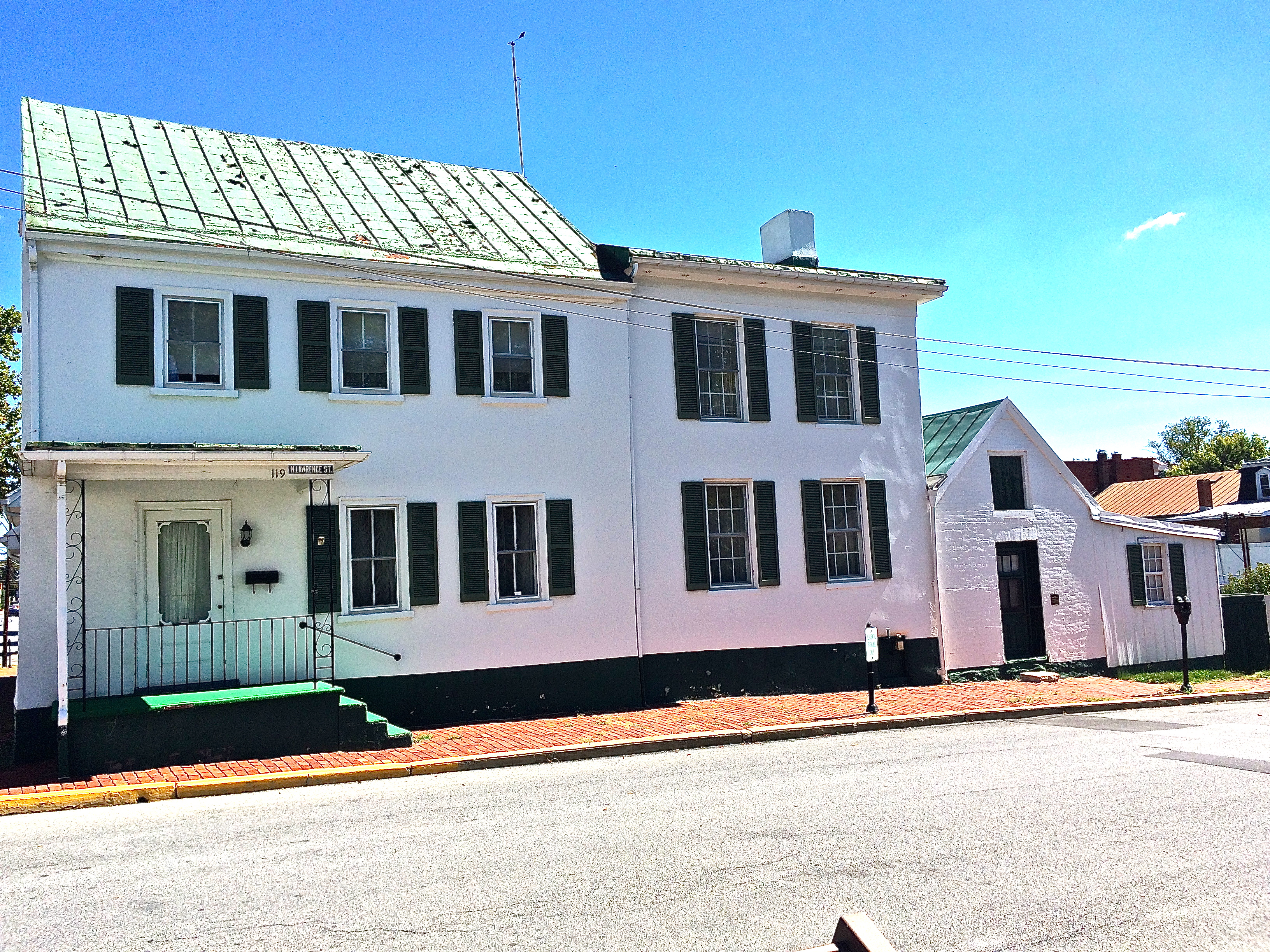
Charles memorialized the Washington family in naming the streets. The main street running east to west is Washington St. which crosses the main street running north to south named George St. Thus the center of town is the corner of George and Washington. The cross streets to the east are named Samuel (brother) and Mildred (wife) and the cross streets to the west are named Charles (himself) and Lawrence (brother).
JOHN BROWN AND THE CIVIL WAR
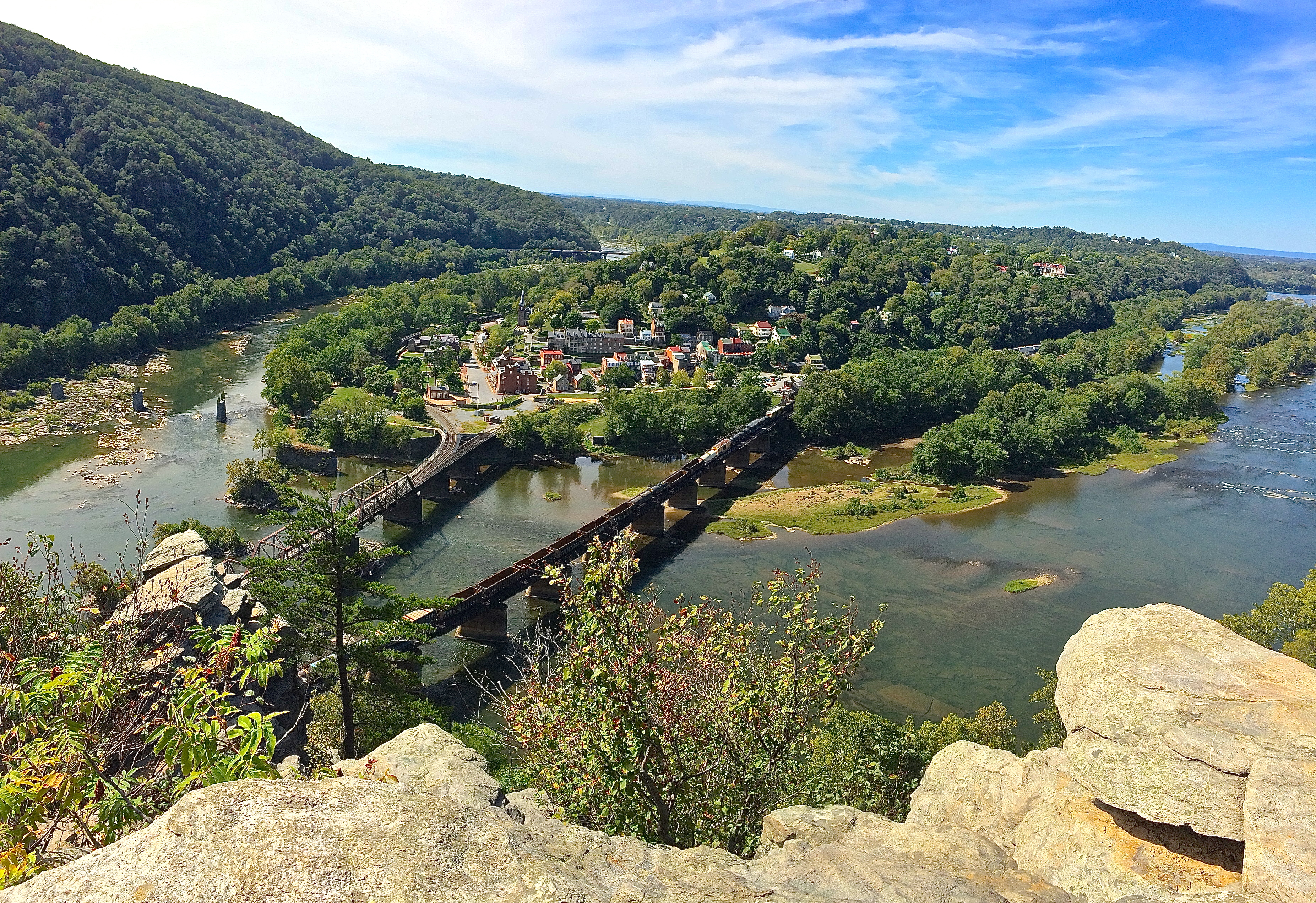
In 1859 (two years before the beginning of the Civil War) John Brown and 21 others raided the US Armory in Harpers Ferry for the purpose of confiscating weapons to be distributed to the slaves of the South thus inciting a slave revolt throughout the South to bring an end to slavery in the US.
Though the pro-slavery and anti-slavery rhetoric was building, there was no other single event that had a stronger polarizing effect on the citizens of both the North and South. John Brown’s audaciously “crazy” plan to attack the US military establishment at Harpers Ferry and his subsequent trial and execution drove an emotional wedge, fueled by fear and arrogant righteousness, between North and South. Nothing struck more fear in the South than the prospect of a slave uprising and that was precisely the stated intention of John Brown. While the initial reaction, in the North, to John Brown’s raid was one of disbelief and “crazy idea,” by the time John Brown was tried and executed here in Charles Town, he was a hero to many in the North who were loudly righteous in their beliefs that his raid at Harpers Ferry, with the purpose of inciting a slavery rebellion and all of the blood and chaos that would cause in the South, was justified. The citizens of the South took this arrogant righteous attitude personally. The North was justifying an act that was aimed toward bringing about the South’s greatest fear. The horror of a coming war was masked by fear and righteousness.
On the eve of his execution John Brown knew he would not be allowed to speak from the gallows. He also knew that he would be a martyr to the abolitionist cause and a hero to many. He left a brief note on his bunk when he was taken to the gallows.
“I, John Brown, am now quite certain, that the crimes of this guilty land, will never be purged away but with blood.”
 Primetime Journey
Joe, I enjoyed the photos and history. Thank you.
Sent from my iPhone Nicki
>
LikeLike
Thank you for following the blog — Hope all is well with you and yours.
LikeLike
you are a fabulous writer!
looking forward to your future articles. there is lots to write about in Key West so hope to see you here some day.
Blessings,
Pat
>
LikeLiked by 1 person