A WALK THROUGH THE NEIGHBORHOOD — CHARLES TOWN WV.

It is a beautiful fall Saturday and it is an ideal time to explore the old, well kept, neighborhoods of Charles Town.  There is plenty to see.  Over 30 homes of historical significance are listed in the walking tour booklet available at the Charles Town Visitors Center.
This is
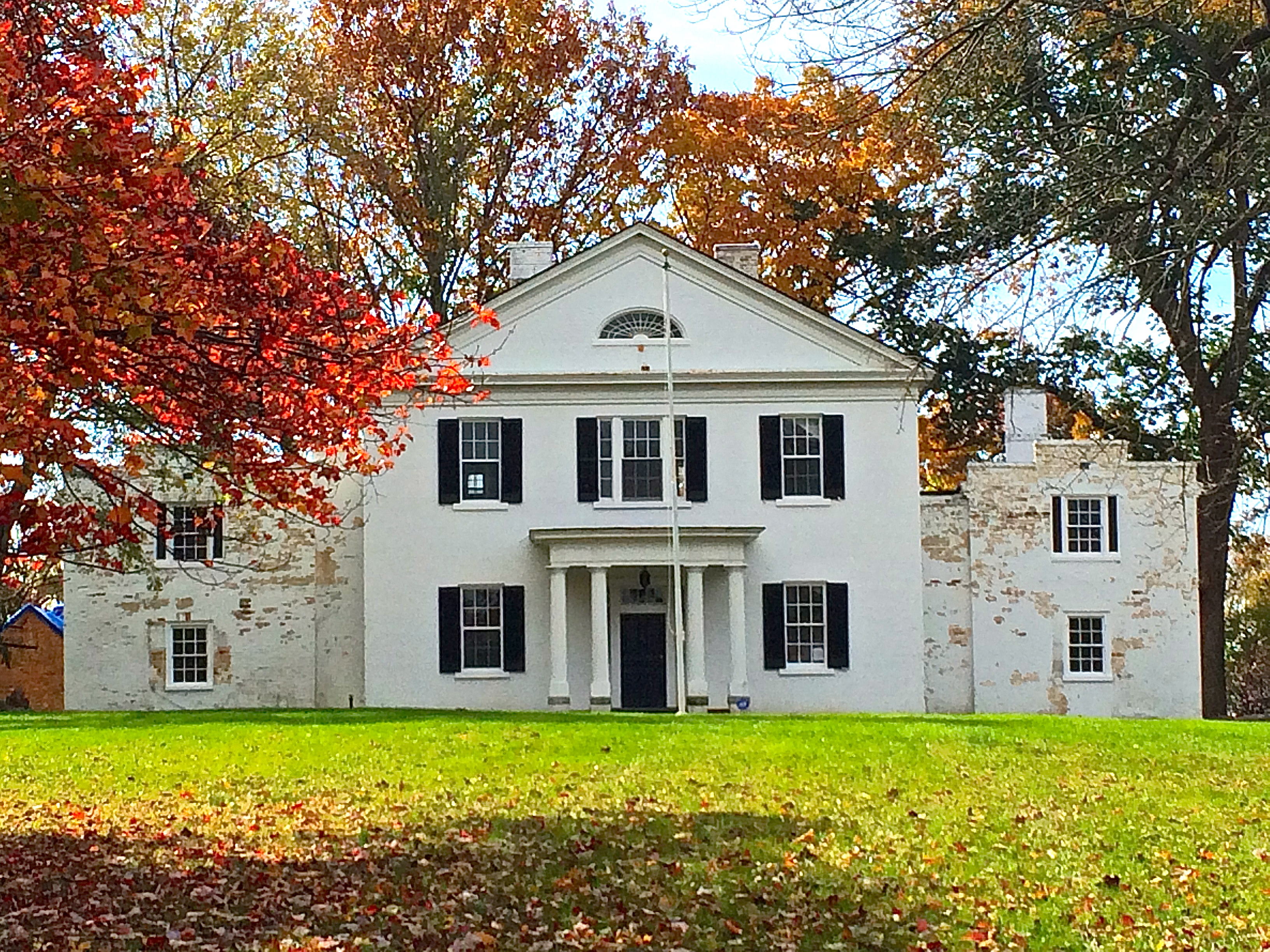
This is “Happy Retreat” and was built by Charles Washington (the founder of Charles Town) in 1780. He and his family lived here until his death in 1799.  He and his wife Mildred are buried on the property.

“Happy Retreat” – built and named by Charles Washington – was the family home of Charles and Mildred.  It is also where they received George Washington during his many visits.    After Charles death in 1799 his son sold the property.  In 1873 the property was purchased by Judge Isaac Douglass and re-named “Mordington” after his ancestral home in Scotland.

Friends of “Happy Retreat,” a local organization, is currently working to purchase and develop the property for public use.

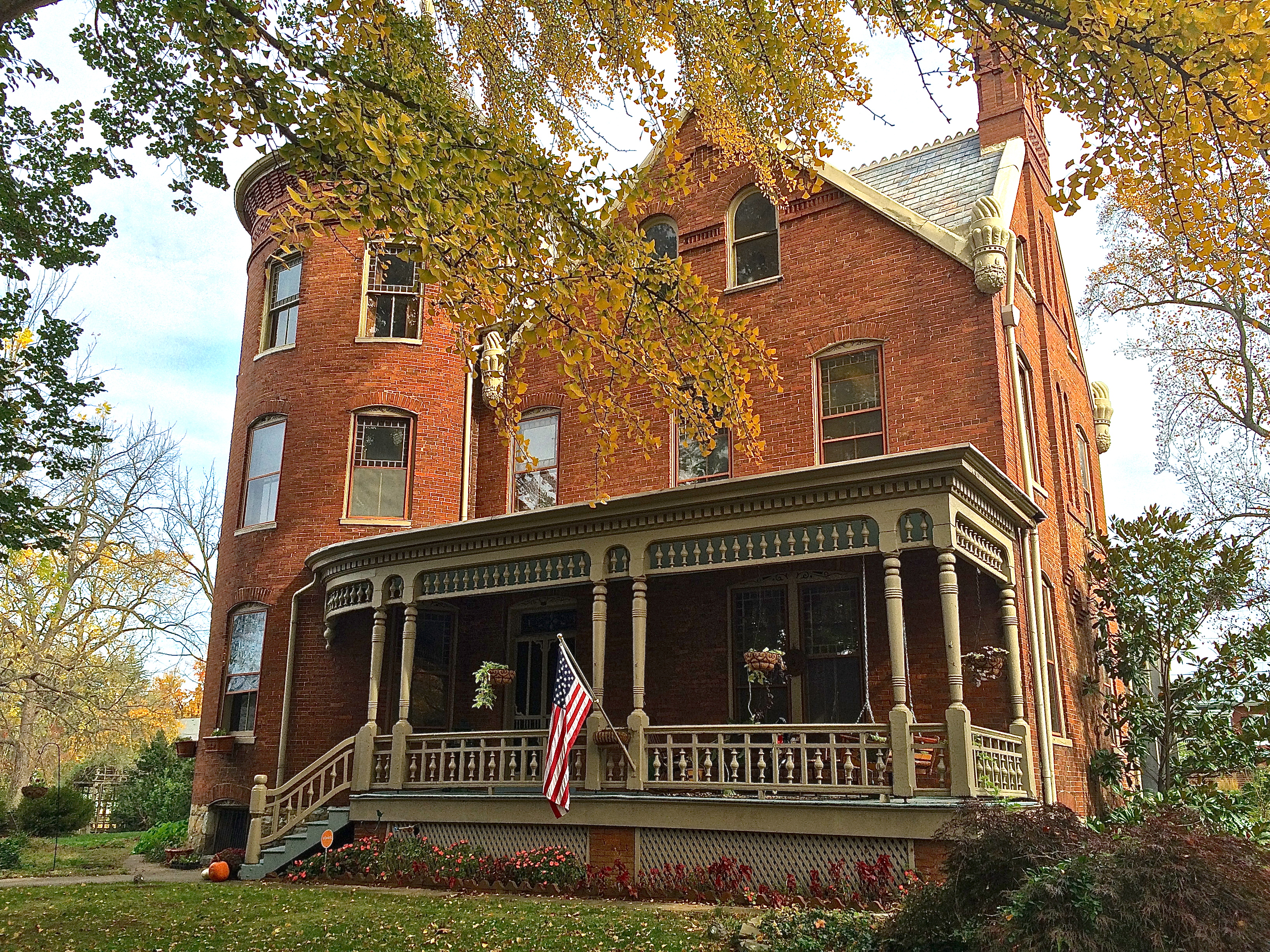
The Gibson-Todd House fronts South Samuel Street while the adjacent large side-yard has frontage on both Samuel and Hunter.  It was on that space (a desolate vacant field in 1859) that a scaffold was erected and John Brown was hung.  The house was built 33 years later in 1892.
The side-yard of this Gibson-Todd House is the site of John Brown's execution
The side-yard of this Gibson-Todd House is the site of John Brown’s execution

On December 2, 1859 three men, whose names would be burned into our memory by history teachers recounting our Civil War, found themselves standing very quietly in the same vacant field 5 blocks from the courthouse in Charles Town, Virginia. They would all die a violent death. One before the war began; one during the war and one after the war ended. Though their bodies are long decayed their names and the accounts of their actions will come alive in the minds of countless future generations.

John Brown, the one to be executed that day was, of course, the one to die before the war began. His actions, more than anything else, emotionally polarized and blinded the future combatants so that they could see no way to mediate the fear and righteous indignation except by war.

Because the execution of John Brown was so emotionally charged, on both sides of the slavery issue, the Governor of Virginia closed the execution to all civilians and asked that members of the Cadet Corp at Virginia Military Academy come to assist the Federal Troops in maintaining security around the execution. An officer named Jackson (soon to be nick-named “Stonewall Jackson”) was chosen to bring a group of cadets and artillery pieces to the execution. Robert E. Lee would refer to Jackson as the best General under his command. Stonewall Jackson was accidently shot by one of his own soldiers and died from his wounds during the war.
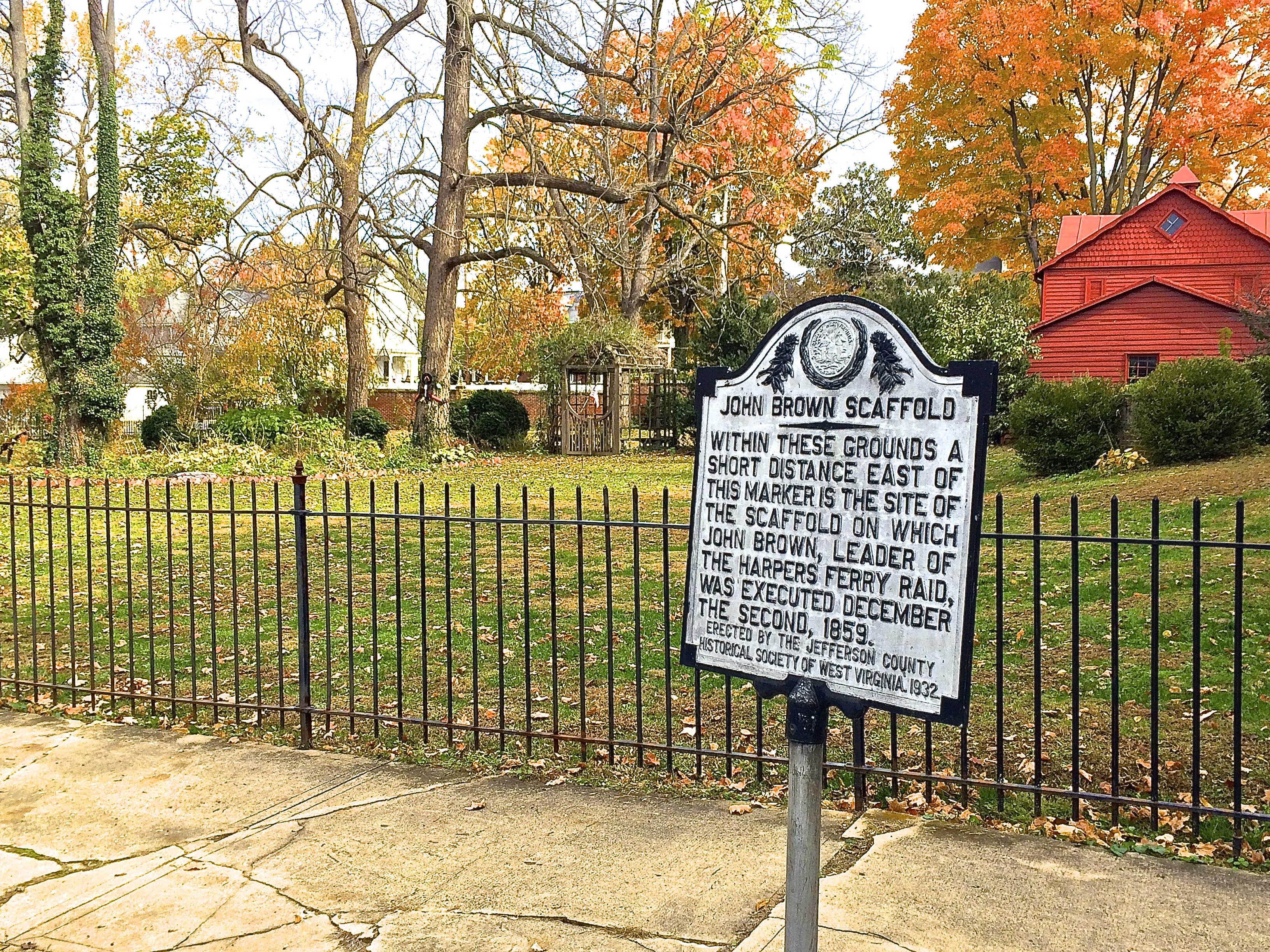
The site of John Brown's hanging.
The site of John Brown’s hanging.

Our third player in this little coincidental event in history was filled with hatred for John Brown and what he tried to do.  By the use of money and calling in favors from friends, our last player secured a uniform and rifle so that he could stand with the Federal Military who were there to provide security. Hearing of John Brown’s execution was not enough. He had to be there to witness it. His name was John Wilkes Booth. He came to a violent end after the war and after he assassinated President Lincoln.

More to come on things to see and do in West Virginia.
CHARLES TOWN WV. History Highlights

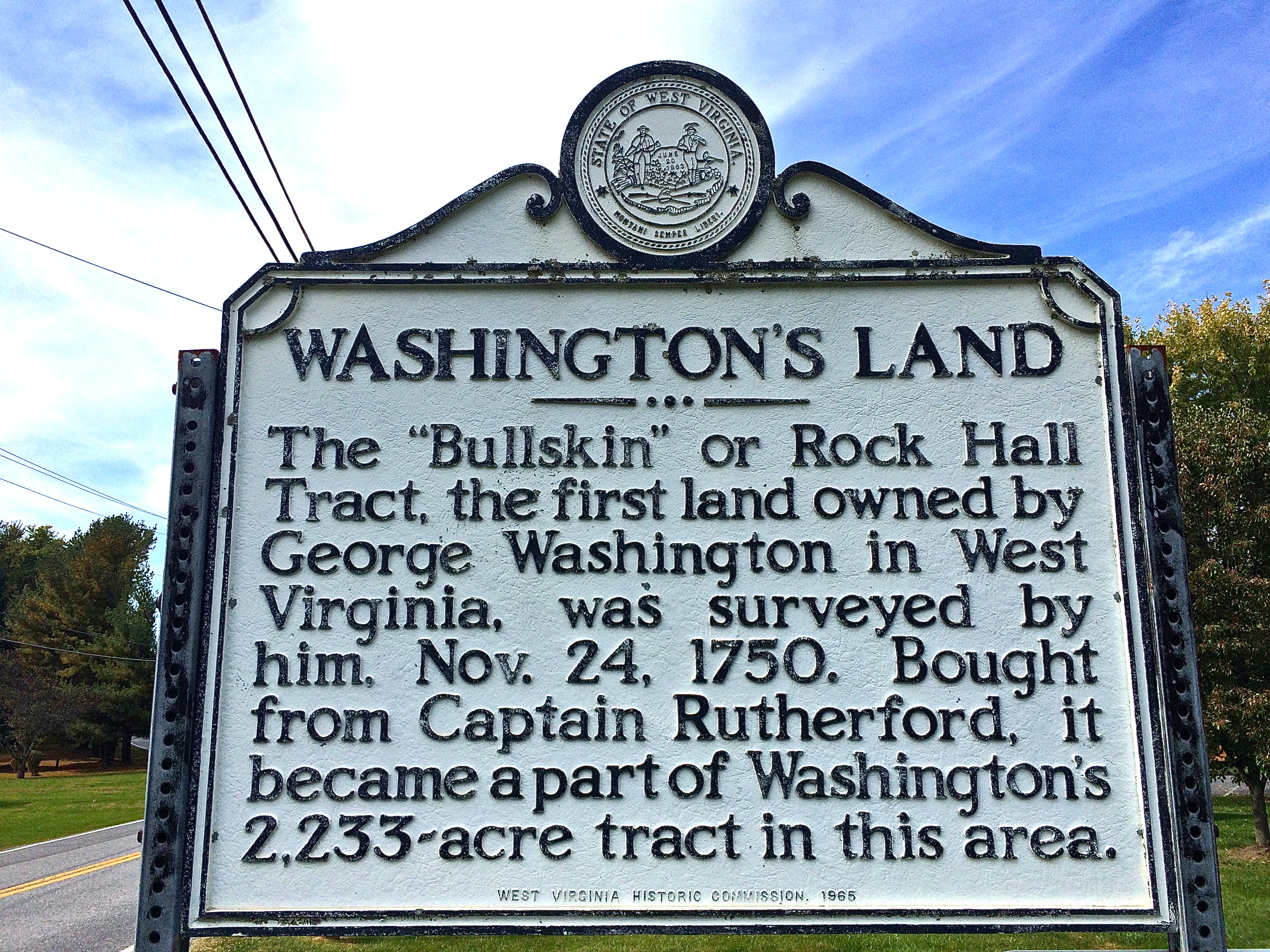
So why is it that when I am standing in the very center of Charles Town West Virginia, I find myself at the corner of George Street and Washington Street that were named by Charles Washington 3 years before his brother became our first President? How did that happen? These questions help lead us to discover the wealth of 18th Century Colonial history that is imbedded in the fiber of this town, this county and this community.

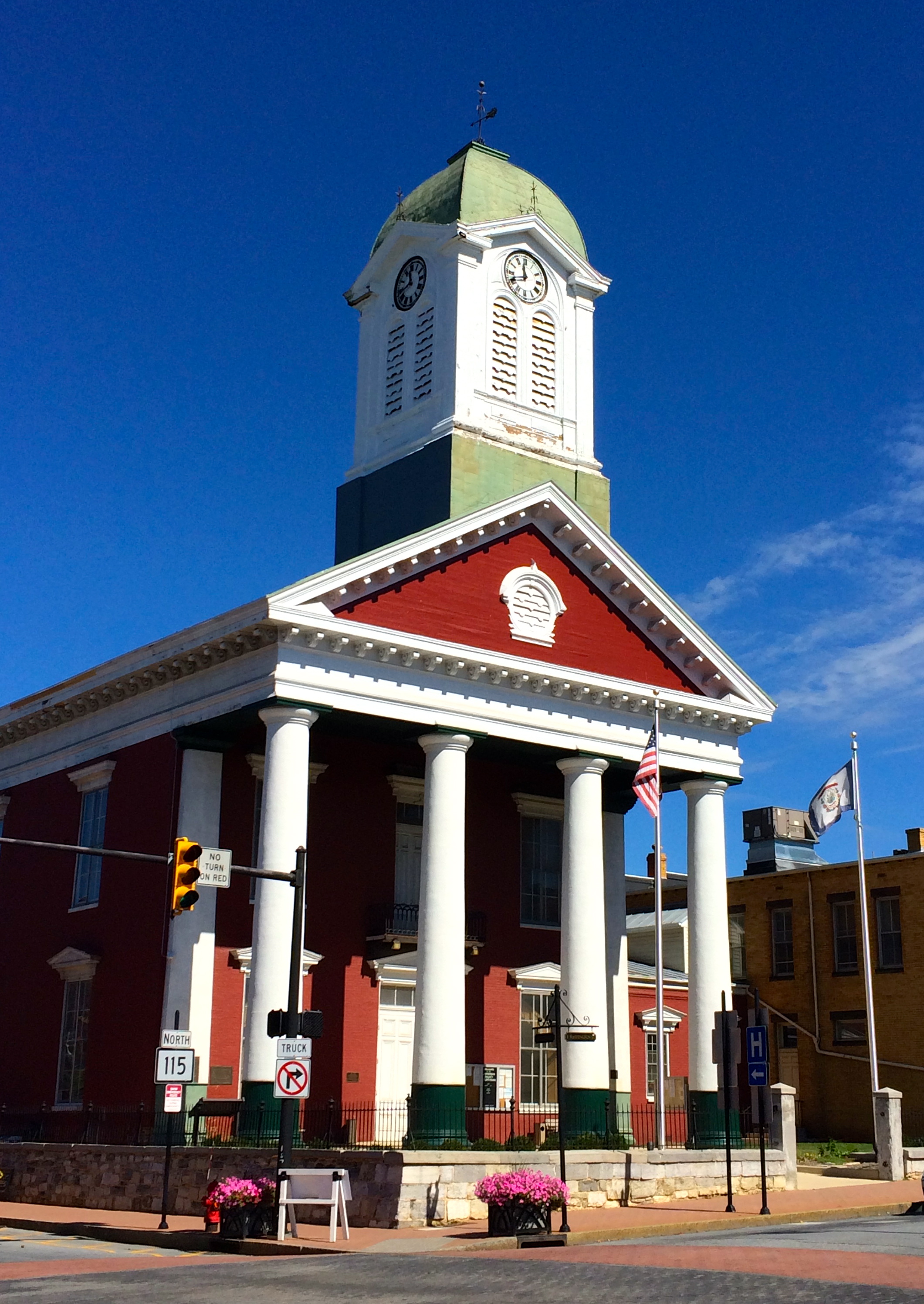
Jefferson County Courthouse where John Brown was tried and convicted of Treason

It is difficult to be here and not try to imagine what it must have been like in the 18th century when our country was being formed. As “corny” as it may sound, it is a thrill for me to stand on ground that was surveyed by the “Father of Our Country” and bought by him when he was 18 years old and to wander casually through a town that was incorporated before George Washington was elected President.

EARLY HISTORY

In 1719 Lord Fairfax (more specifically the “6th Lord Fairfax”) came into possession of over 5,250,000 acres of land between the Rappahannock and Potomac Rivers that included a large portion of the Shenandoah and South Branch Potomac river valleys. In 1748 he met and was impressed with a 16 year old George Washington who was actually a distant relative via the Yorkshire, England Fairfax family. George was given the job (his first) of surveying the Lord Fairfax land west of the Blue Ridge Mountains.

IMG_5031

Two years later George bought 550 acres just southwest of present day Charles Town. He later enlarged his holdings to over 2000 acres. At George’s suggestion, his older brother (Lawrence, who owned the Mt. Vernon Estate) bought the land where Charles Town now sits. Upon the death of Lawrence, Charles, the youngest brother, inherited that  land                                                                                     and George inherited Mt. Vernon.

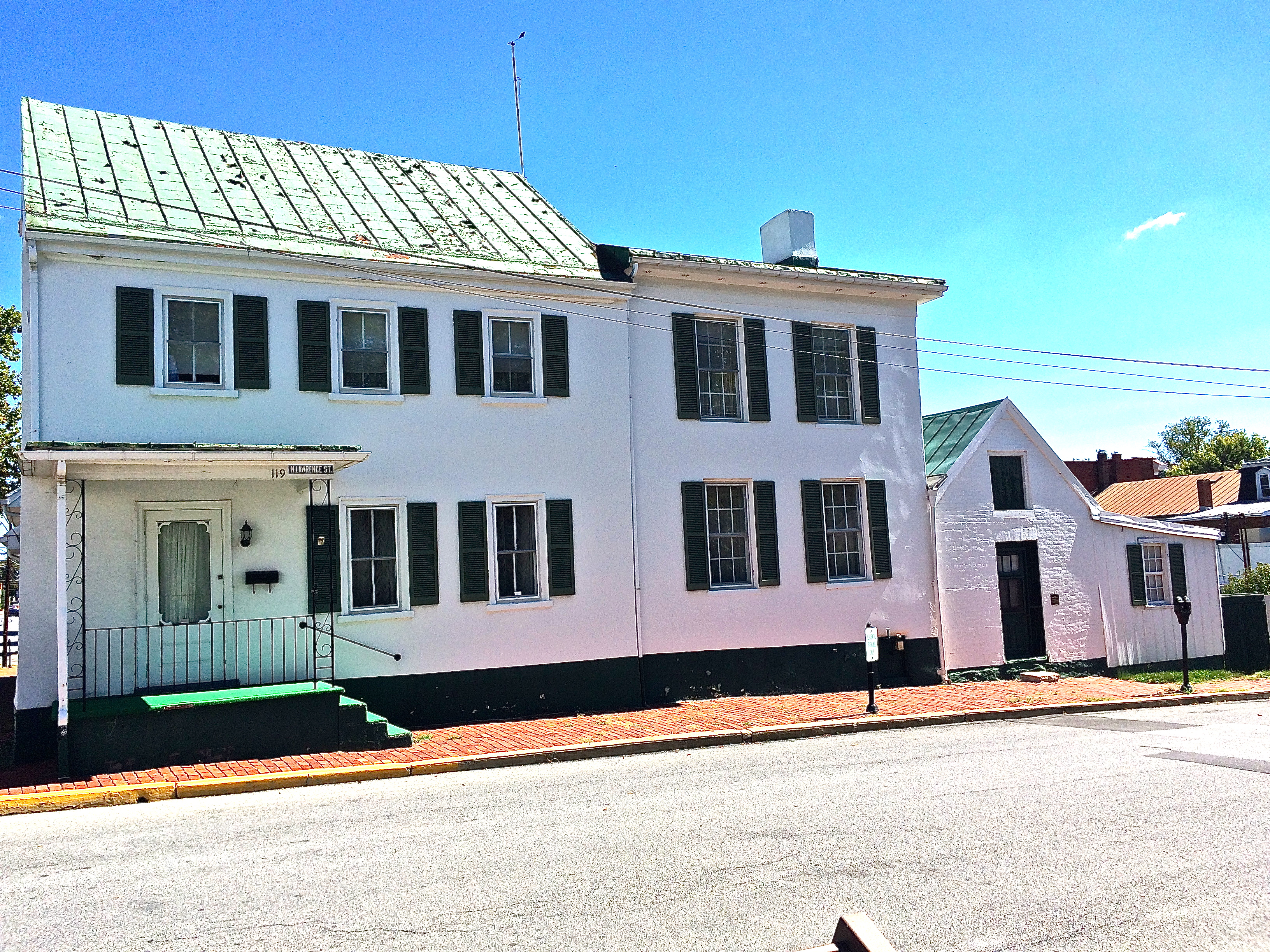
House in Charles Town built around 1789 by Thomas Griggs who bought the land from Charles Washington. The small-attached building to the right was Charles Washington’s in-town Law Office. The Town Elders met there to plan the city’s future.

Charles memorialized the Washington family in naming the streets. The main street running east to west is Washington St. which crosses the main street running north to south named George St. Thus the center of town is the corner of George and Washington. The cross streets to the east are named Samuel (brother) and Mildred (wife) and the cross streets to the west are named Charles (himself) and Lawrence (brother).

JOHN BROWN AND THE CIVIL WAR

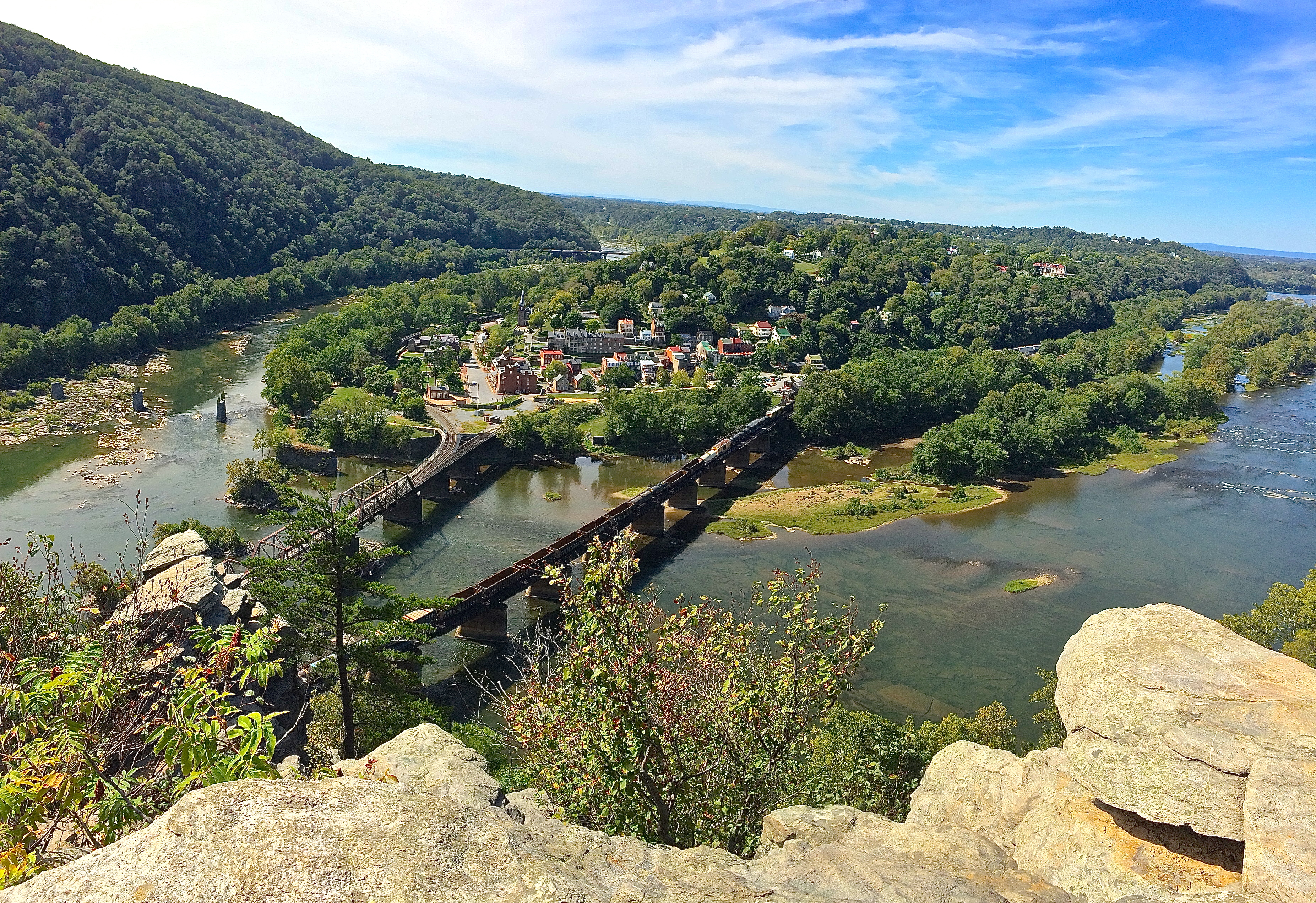
The Shenandoah River (left) and the Potomac River (right) merge at Harpers Ferry before flowing east through a gap in the Blue Ridge Mountains to Washington DC.

In 1859 (two years before the beginning of the Civil War) John Brown and 21 others raided the US Armory in Harpers Ferry for the purpose of confiscating weapons to be distributed to the slaves of the South thus inciting a slave revolt throughout the South to bring an end to slavery in the US.

Though the pro-slavery and anti-slavery rhetoric was building, there was no other single event that had a stronger polarizing effect on the citizens of both the North and South. John Brown’s audaciously “crazy” plan to attack the US military establishment at Harpers Ferry and his subsequent trial and execution drove an emotional wedge, fueled by fear and arrogant righteousness, between North and South. Nothing struck more fear in the South than the prospect of a slave uprising and that was precisely the stated intention of John Brown. While the initial reaction, in the North, to John Brown’s raid was one of disbelief and “crazy idea,” by the time John Brown was tried and executed here in Charles Town, he was a hero to many in the North who were loudly righteous in their beliefs that his raid at Harpers Ferry, with the purpose of inciting a slavery rebellion and all of the blood and chaos that would cause in the South, was justified. The citizens of the South took this arrogant righteous attitude personally. The North was justifying an act that was aimed toward bringing about the South’s greatest fear. The horror of a coming war was masked by fear and righteousness.

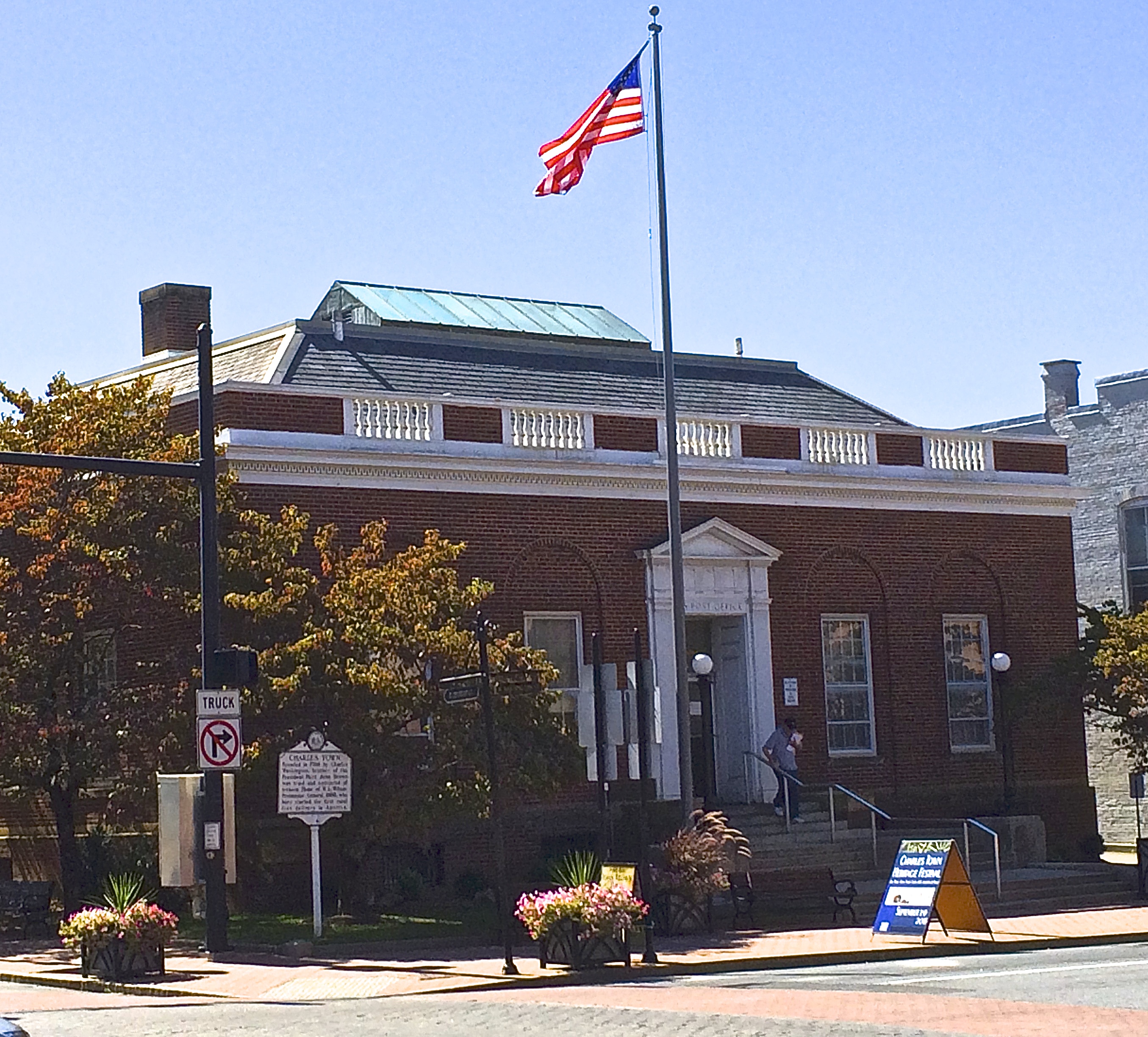
Current Post Office - was jail where John Brown was held
Current Post Office – was jail where John Brown was held.

On the eve of his execution John Brown knew he would not be allowed to speak from the gallows. He also knew that he would be a martyr to the abolitionist cause and a hero to many. He left a brief note on his bunk when he was taken to the gallows.

I, John Brown, am now quite certain, that the crimes of this guilty land, will never be purged away but with blood.”      

“At First Glance”

An opportunity presented itself for me to spend close to 3 months living here in the Jefferson County, WV area during the months of September, October and November. I am familiar with the Eastern US and many years ago lived, for a time, in the Harrisburg, PA area. However, my internal bias leans toward the open majesty of long views and dryer climate west of the Mississippi. That said, the opportunity to explore the rich history of this country that began in the East, was too good to pass up. Also, I must admit, one of the most visually dazzling places to be is the east coast of the U.S. in the fall of the year.

Jefferson County lies in that small northeastern appendage of West Virginia that is closest to the Baltimore/Washington Area while bordering both Maryland and Virginia. A fair number of residents take advantage of the proximity of major cities to scurry off via commuter trains leaving every morning. There are a number of small villages in the county, of which, the most prominent are Charles Town, Harpers Ferry and Shepherdstown.

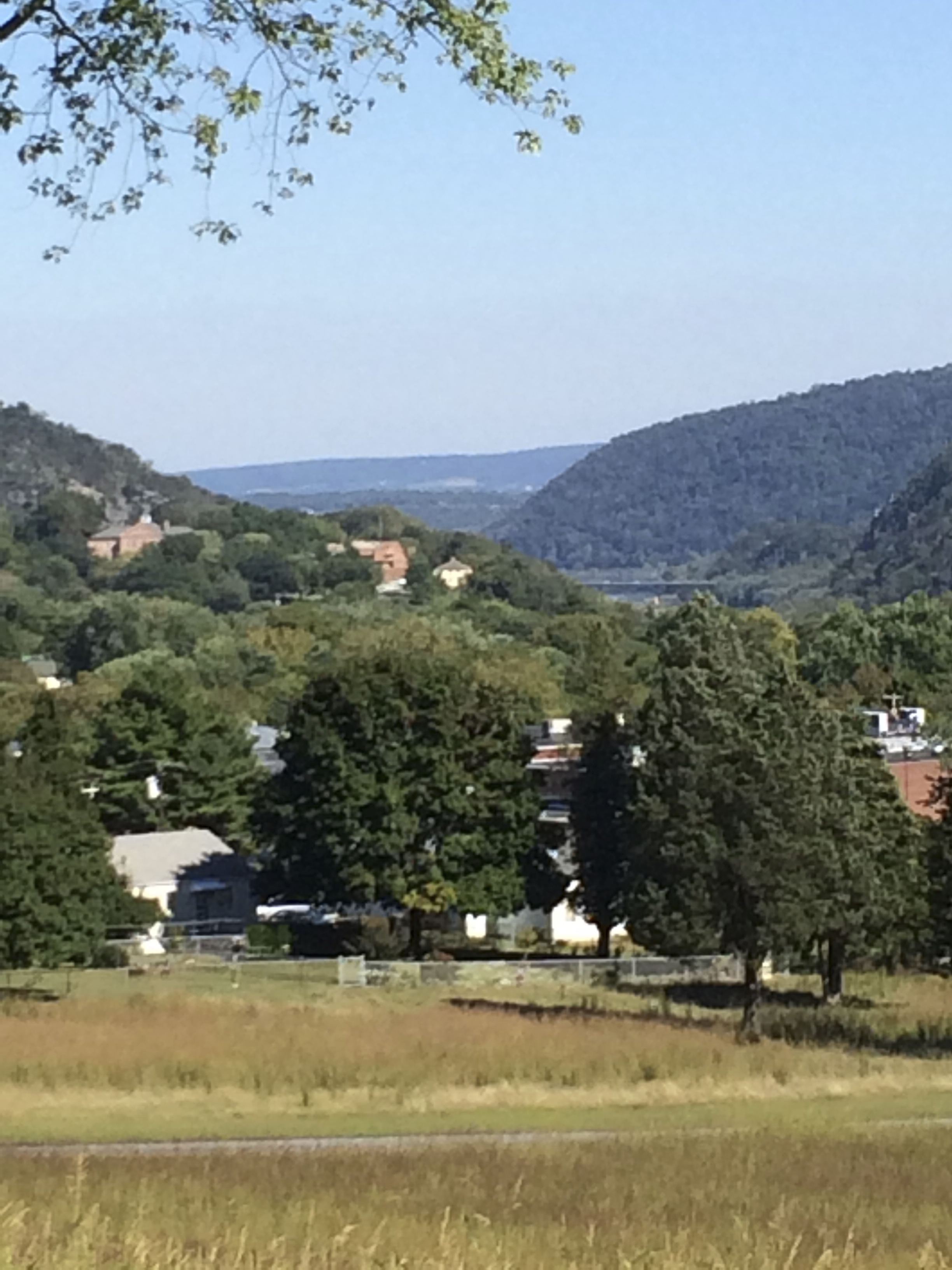
This photo was taken from the battleground on Bolivar Heights, near Harpers Ferry, where 5 different engagements took place during the Civil War. The view is of the Blue Ridge Mountains showing the Potomac River gap in the distance.
This photo was taken from the battleground on Bolivar Heights, near Harpers Ferry, where 5 different engagements took place during the Civil War. The view is of the Blue Ridge Mountains showing the Potomac River gap in the distance.

We are now in late summer boasting forest covered mountains blanketed in variegated green displays that promise a, soon to arrive, spectacular fall. The weather has cooled to the sunny mid-70s during the day and 50’s at night. Aside from the beautiful views and “spring in your step” weather, this place offers a history buffet as bountiful as any I have experienced which I will share with you in later posts.

IMG_4734
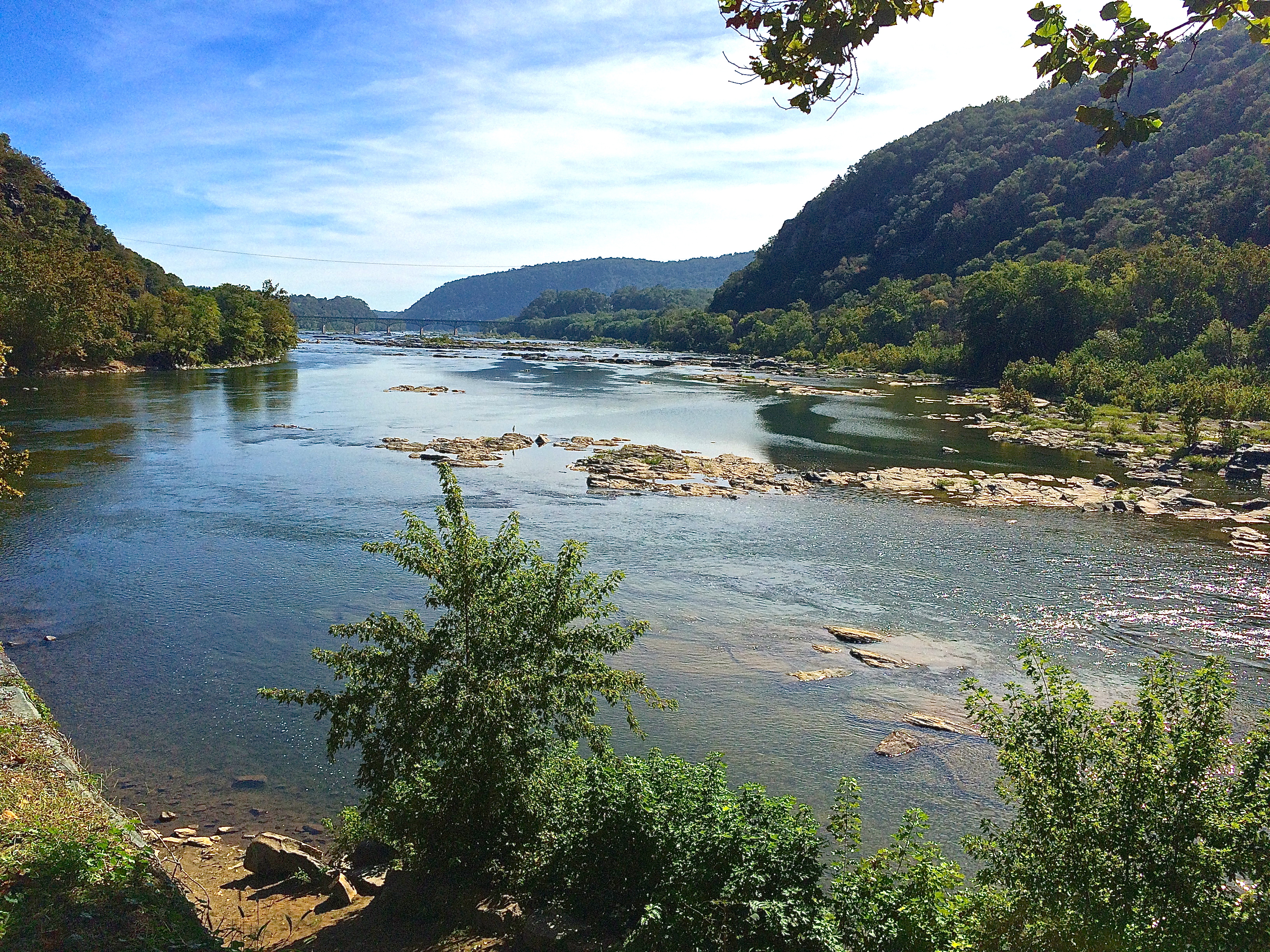
Taken at the confluence of the Potomac and Shenandoah (joining from the right) as they flow East through the Blue Ridge Gap

As I meander up and down and around the hills on narrow wagon trails that pass for rural highways I am blessed with views that are an ever-changing, gentle and a soothing invitation to leave the hassles of travel and be here experiencing this now. This is not the “Big Sky” or majestic Rocky Mountain Country of the West with views that grab you by the lapels and demand attention. These views are inviting in their gentleness and subtly as they have their calming way with the intensity of your life.

The Shenandoah River (left) and the Potomac River (right) merge at Harpers Ferry before flowing east through a gap in the Blue Ridge Mountains to Washington DC.

Bordering the eastern edge of Jefferson County are the massive ancient remains of the pre-historic Blue Ridge Mountains. Eons of blowing wind and cascading waters have worn the sharp surfaces to a less jagged but formidable barrier separating the early coastal Colonies from the west.   Protected from the east by the Blue Ridge Mountains the northward running Shenandoah River has carved the iconic, beautiful and famous Shenandoah Valley.  The river’s long northward journey ends as it joins the larger Potomac at Harpers Ferry just before it flows through the gap in the Blue Ridge Mountains and heads east toward Washington DC.

Close at hand, the fields of soybeans spread a gaudy display of bright yellow leaves flaunting color to the yet still green trees that allow the competition to wither before starting their own “Fall Extravaganza.” The vibrancy of the soybean display screams in contrast to the row upon row of hushed perfectly regimented death brown corn stalks standing as spent silent soldiers burdened with the fruits of their growth waiting harvest.

Photo taken about a mile west of Charles Town on West Virginia Highway 13.

As my time here progresses, I will attempt to describe to you what I sense, think and feel during my explorations. From time to time I will also point out places to eat or stay, tours that I recommend, hikes to take or local entertainment venues that you may want to consider when visiting.

DUMPSTER DIVING IN DENTON, TX

It was a beautiful day offering the potential to lead me to a new and better life in Spanish Peaks Country, Colorado — that magical, mystical place that had captured my heart almost a year earlier.  The U-Haul truck was loaded, my car was in tow and I had the first 40 miles of a 640-mile journey under my belt.  My attitude was less than positive, as is often the case when one is in the middle of major life changes.  My apprehensiveness, misgivings and tendency to over-think were hijacking any chance of excitement about this Primetime Journey.

Here, 40 miles north of Dallas, just outside of Denton, I planned to head west at Highway 380 and finally be out of the MetroPlex and on my way.  The hint of hunger and the Chevron Service Station with a McDonalds next door tempted me to stop, fill-up the truck and grab a breakfast burrito.  After topping off the tank and parking behind the Service Station (next to a dumpster) I grabbed a bite at McDonalds and retreated to the truck prepared to have my attitude changed on a road trip that I looked forward too.

I grasp the truck keys in my right hand as I opened the door with my left and hopped up on to the running board.  I noticed a few scraps of paper next to the seat and picked them up with my right hand stepping back down from the running board and with a graceful underhanded move, tossed the trash, AND THE TRUCK KEYS, into the dumpster.

Frozen in place, as if the absence of movement would earn me a “do over,” I slowly allowed myself to believe what had happened.  Hoping for the best I looked into the dumpster to see the trash from my truck perched on top of a few pieces of cardboard which were floating on a semi-liquid substance that looked and smelled like rotting slaw.  The keys were not visible and must be some where in the 4 to 6 inches of slop below the cardboard.

Looking back on this moment, I was acting and planning my next moves as if I was in my forties.  Knowing that there were no other reasonable alternatives, I placed my left foot in the welded-on sleeve used by the trash truck to pick up the dumpster.   As my right leg went over the top, I found myself balanced on the 1-inch wide sidewall that was trying to split my 200+ pounds of out-of-shapeness into 2 parts.   To escape being sliced in two by my weight on the knife-edge side wall I put both hands in front of me on the side wall with the intention of sliding my left leg over the wall and slowly allowing my legs to reach the bottom of the dumpster.  My mind did not account for the fact that, having received Social Security checks for quite sometime now, I was definitely not 40 years old and certainly did not have the upper body strength of a 40-year-old man.  “Ka-Plop,” I landed hard in the slop; was able to stay upright and was extremely grateful that no one saw that.  Having a mind that believes your 40 and a body that knows better leads to embarrassing moments.

After rooting around in the slop with a mostly clean strip of cardboard I quickly found the truck keys, shook them to get rid of the big chunks and slipped the keys into my pocket.  A quick survey reviled that there was nothing welded to the inside of the dumpster, thus no foothold, thus no easy way out.  I stood very quietly in the stench and sensed the beginnings of a grin on my face, then a smile and finally the release of laughter, belly shaking – throw your head back and let it out, laughter.  What a ridiculously funny situation.  Even though I didn’t know exactly how I was going to get out, I knew I would find a way and I knew that this ridiculously funny story about the flawed human in all of us would bring grins, smiles and laughter to those who love me for many years to come.

I tried pulling myself up and over the sidewall and the strength was just not there.  Finally, I hung on to the top of the wall as I threw my left foot over the top, and then used my leg strength to pull my upper body to the top.  I laid there, on top of the 1-inch wide sidewall with one leg dangling on each side and both hands applying a white-knuckled grip to the top of the wall.  One of the things that leave when the Social Security checks start coming is balance.  I was precariously balanced knowing that if I fell I wanted to fall out of, not into, the dumpster.  I threw my right leg over the top and held on with my hands so that my legs would hit the ground first.  It worked!  I staggered some but did not fall.  For some unexplainable reason I felt very proud of myself.  My shoulders went back and my chest went out and with a spring in my step I headed for the truck.

Having promised my oldest son, who lives in Memphis TN, that I would call him when I was on the road, I reached for the phone and speed dialed as I headed for Colorado.  He was in the car on the way to an appointment with a client and asked how my trip was going so I proceeded to tell him my Dumpster Diving in Denton story.  He began to laugh and I continued with the story laughing along with him. Finally, he is laughing so hard that he has to pull off the road.  I am telling the story and now laughing so hard that tears are running down my face when it dawns on me that life really doesn’t get any better than this.  My apprehensiveness, and misgivings about my future were gone and for that moment I was as happy as I can remember.  To be able to laugh at yourself and share that laughter with someone who loves you is a healing experience for me.  I suspect that Dumpster Diving in Denton will be just the 1st of many stories as I continue on this Primetime Journey.